
Open. Shut. Open. Shut. Thousands of times a year, every single year. Splashed at the sink, steamed over the range, stacked full of heavy plates nobody thinks twice about.
Nothing else in the room takes that kind of beating. And yet they’re the very first thing anyone sees walking through the door.
So what’s the real number here, and how do you protect it? Honest answer: built right and properly cared for, good kitchen cabinets will outlast almost everything else in the kitchen. Decades, easily.
What Really Decides How Long They Last
Two forces at work with kitchen cabinets.
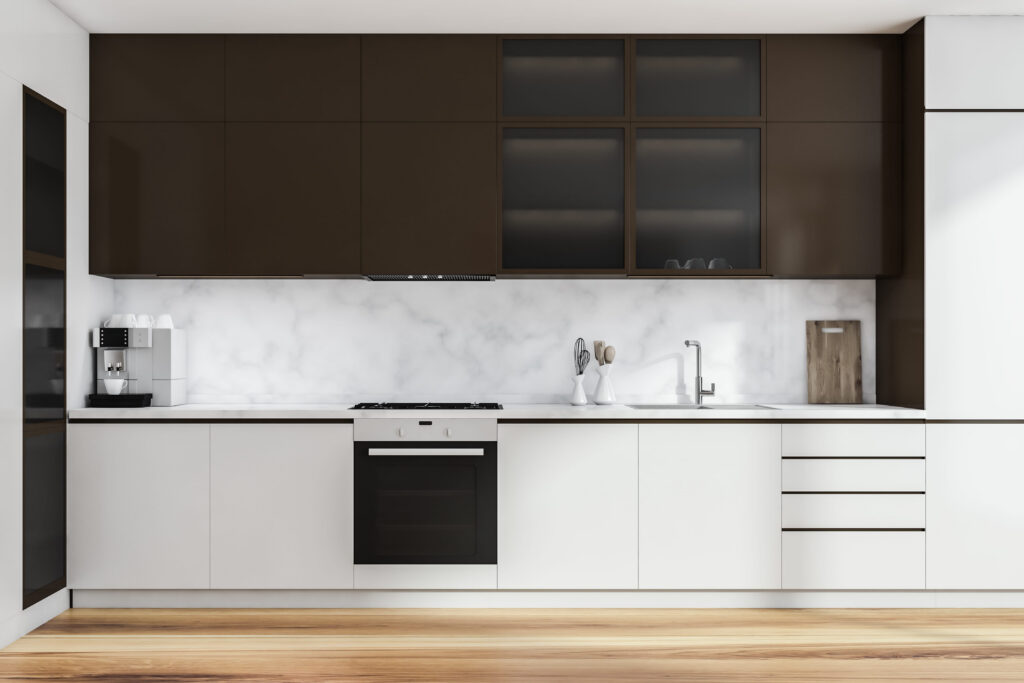
Kitchen Cabinets Care
What they’re made of, and what you do to them. One gets settled the day they’re installed. The other gets settled every single day after that.
The Build Is Half the Battle
Construction tells you nearly everything you need to know up front. Solid wood frames and plywood boxes? Twenty years, often a whole lot more. Cheap particleboard? It sags, swells, and quits far sooner than you’d like. What actually matters:
- Materials and construction, far and away the single biggest factor.
- Hardware, since hinges and slides usually die long before the box ever does.
- Installation, keeping the doors aligned and all that weight properly carried.
Groups like the Kitchen Cabinet Manufacturers Association even certify cabinets against a real, recognized performance standard. Build quality determines decades or merely years.
The Slow Killers
Nothing dramatic ever happens to kitchen cabinets. No single catastrophe, no big moment. Just grease, quietly. Water, quietly. The wrong spray bottle under the sink, quietly. Death by a thousand tiny things.
Cleaning Without Wrecking the Finish
Gentle wins here. Always:
- Wipe spills the second they land, before they set right into the finish.
- Use a soft cloth, mild soap, and warm water, then dry the surface immediately.
- No abrasives, no ammonia, no bleach, and no scouring pads. Ever.
- Hit the grease near the range often, since it hardens fast and grabs grime.
Water, Steam, and Sun
Water is the true villain of the story. It swells particleboard, lifts veneer, and ruins finishes from underneath, where you can’t even see it happening. So never once let it sit, especially around the sink and the dishwasher. Run the hood while you cook. Peek under the sink now and then for a slow, sneaky leak. And that sunny window? It quietly bleaches wood and paint year after year.
Making Them Last for Decades
The build gets your kitchen cabinets off the starting line. Daily habits keep them rolling. But one piece slips almost everyone’s mind, right up until a door hangs crooked and the whole kitchen suddenly looks tired.
Hardware, Repairs, and Knowing When to Stop
Hinges, slides, pulls. They do the real physical work, and they’re usually the first to fail. So tighten the loose screws once or twice a year. Adjust a hinge the moment a door starts drifting. Lubricate a sticking slide. Swap worn hardware out before it chews up the door itself. Soft-close hardware helps enormously, killing the slam that quietly loosens joints over time. And when it’s finally time? Read the bones. Boxes solid and square, and refinishing or refacing revives the whole look. Sagging, swollen, water-wrecked, or just plain wrong for how you cook? Replace them. Great cabinets earn their care, and they’re worth replacing right. Planning fresh cabinets or a full kitchen remodel? Contact Chelsea Kitchen and Bath for a free consultation.
Frequently Asked Questions
How long do kitchen cabinets actually last?
Twenty years, or longer, and many of them, when built well, with solid wood frames and boxes which are cut from real plywood, go on outliving a few kitchen refreshes, often without complaining. Cheap particleboard? It droops, bulges and fails much, much earlier than that. Well-built custom cabinets move that number around, and that number is materials, hardware, installation quality, and day-to-day care.
What’s the right way to clean them?
Gentle, and often. It’s really just a soft cloth, mild soap and warm water and drying immediately after is as important as the washing itself. Forget the pads, ammonia, and anything with bleach, as fine as they are, they dull and wear the finish over time. Clean up any slips as they happen, and keep on top of the grease around the range while it is still easy to wipe off.
What kills cabinets fastest?
Water, hands down. Water that accumulates in the sink or dishwasher can cause particleboard to swell, veneer to come loose and finish to wear away from beneath, where it will never be seen. After that? Harsh cleaners, frequent steam, direct sun, slamming doors, and excessively full shelves. Almost all of it is quiet, slow, and just plain avoidable, and that’s why even the thinnest of little things you can do every day has far more impact on your cabinets than a deep clean once a year does.
Refinish or replace?
Depends entirely on the bones. Still solid, square and structurally sound boxes? A full tear-out can be avoided to rejuvenate the overall appearance by refinishing or refacing. However, saggish, swollen, water damaged or just plain old incorrect? So it makes much more sense to replace them. An honest and good designer reads what you have to say and presents all your options to you, without the pressure. Call us today for a FREE consultation.